

Chiang Mai Travel Agency
Chiang Mai Tour Packages , Trekking and Activity
Finding a magical city of culture route and friendly people in Chiang Mai and Northern Thailand. We have many tour selections such as various budget tour, sightseeing tour, trekking tour, adventure tour, Hotels with Special Rate and private tour packages in Chiang Mai, Chiang Rai, Pai and Mae Hong Son. All tours are fully investigated and inspected before they are offered to customers. Our clients are able to plan the trip on the plan you need that we can provide and advice the best way in exactly. We are pleased to offer service for group tours, group seminar in Chiang Mai and Chiang Mai Golf Package as well with a professional team. Especially, we also guarantee with the best agency rate! Although we offer the lowest prices but we confirm for the good quality of all tours !!
Program Tours in Chiangmai and Northern Provinces
Please, view our sample tours below. The tours are always available to suit your particular need. Each tour packages are easy to make a reservation and prompt email response from our customer service. Please, don’t hesitate to contact or have an enquiry with us.
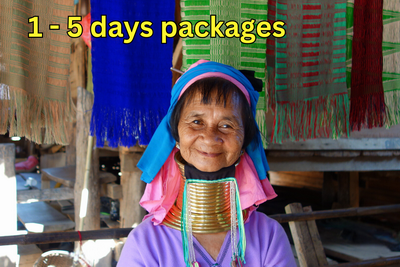
Enjoy and comfort your holiday in The Northern of Thailand with friend and family in private group

Save your cost with joint in group tour, visit all highlights and the activities be included in packages
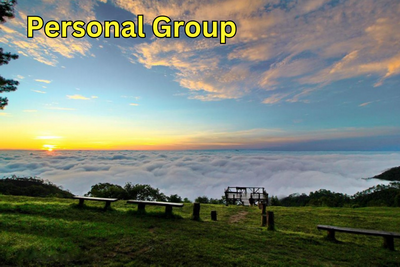
Make your own time exclusively with variety of Chiang Mai tours for tour groups of any size
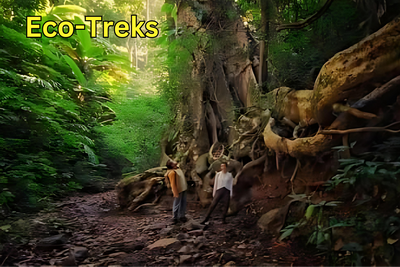
Highlights of Chiang Mai Trekking only walk combine with elephant trek, bamboo and white water rafting

Visit a charming city that provides the perfect base for exploring the scenic and cultural

Explore the surrounding nature & historical sites and what Mae Hong Son has to offer
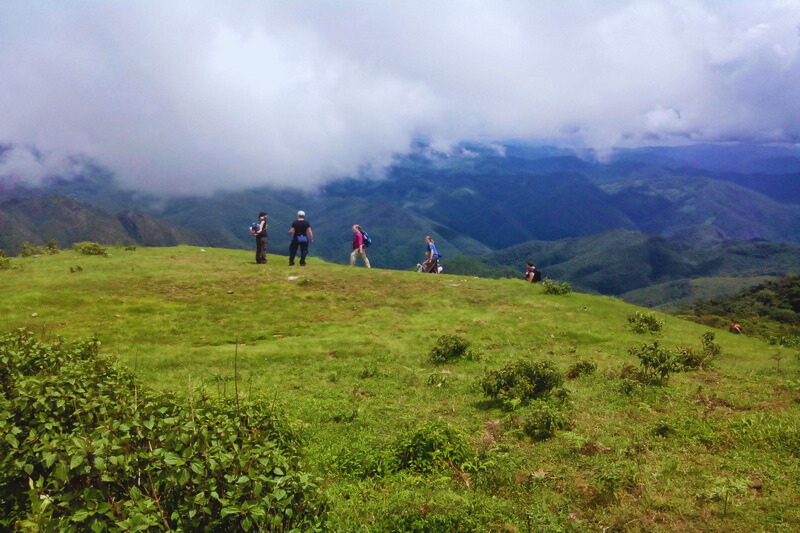
Venture into the Wild with Mae Hong Son Trekking and Explore Its Untouched Beauty
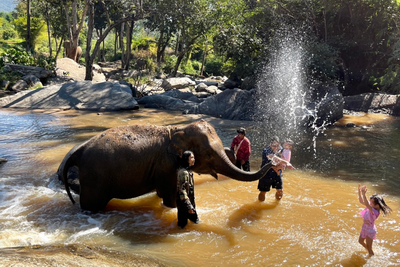
Join us on the elephant volunteer, elephant care and other activity with elephant

Feeling like bird eye view. One of the most exciting things that you can do
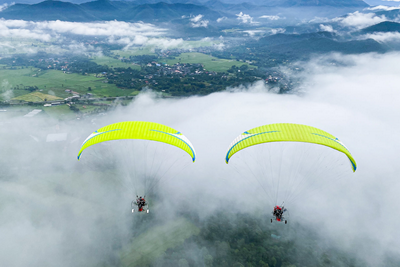
A variety of adventure tours in Chiang Mai which includes ATV, White Water Rafting, Aircraft, Cycling, Abseiling
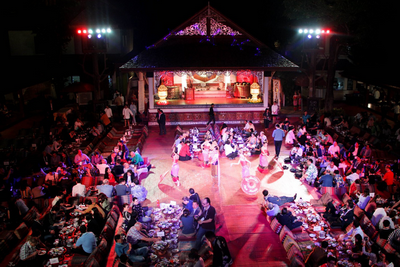
Popular activity in Chiang Mai is attending Khantoke Dinners and Cultural Shows or Dinner cruise along main river
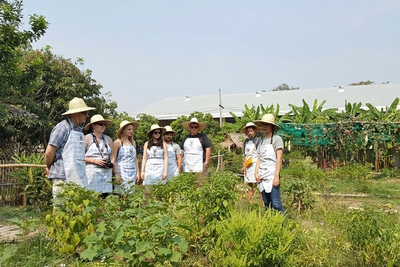
Choose to learn how to cook your favourite dishes and a local market trip to show the fresh ingredients, have to use in class
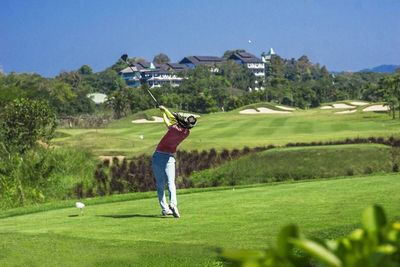
Arranges customized golf packages in Chiang Mai and North of Thailand
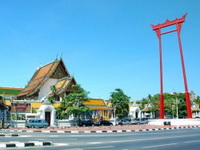
Private tours from Chiang Mai to Bangkok

Thai Kickboxing with ringside seats
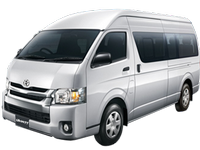
Let us be your first assistant

Youth Camp
Your perfect Chiang Mai summer camp is here

The easiest way to plan your next vacation.

Any questions and design your own trip of any size.
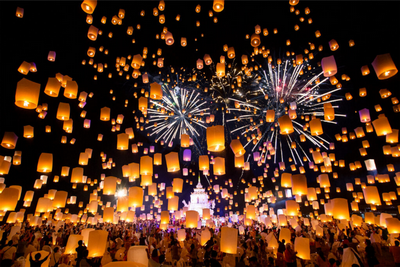
Special program for this season
Discover the Magic of Chiang Mai with Our Exclusive Tour Packages. Start Planning Today